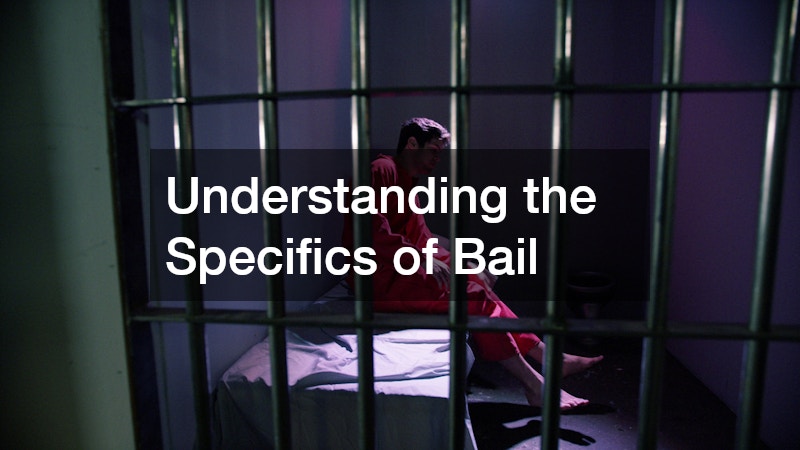
The concept of bail is an essential component of the legal system. It serves as a mechanism by which a defendant can obtain release from custody pending trial, under certain conditions. Bail ensures that individuals are not unfairly deprived of their liberty while awaiting their day in court.
Fundamentally, it is the temporary release of an accused person in exchange for security, typically in the form of money, to ensure their appearance in court. This system balances the presumption of innocence prior to conviction with the need for ensuring public safety and court attendance.
There are several forms and types of bail, each tailored to different scenarios. Cash bail is one of the most common forms, where the defendant must pay a sum of money determined by the court. There is also a surety bond, commonly facilitated by bail bond agents, where a percentage of the bail is paid for the defendant’s release. Another form is a personal recognizance bond, where the defendant is released based on a promise to appear in court. These diverse options reflect the legal system’s flexibility in considering defendants’ unique circumstances.
Historical Background and Evolution of Bail
The history of bail can be traced back to times in ancient civilizations where basic forms of financial sureties were used. Throughout history, various societies have implemented systems resembling modern bail, perhaps most notably, the English bail system dating back to medieval times. During these times, bail was often used to ensure a defendant’s presence in court while allowing them freedom during the trial process. The fundamental idea was to balance individual liberty with community protection—a premise still central to today’s legal systems. The history underscores bail’s enduring importance in upholding justice and fairness.
Various legal precedents have set the modern framework for bail practices we see today. Landmark reform movements, particularly in the United States during the 20th century, fundamentally reshaped the conversations around bail. The aim was to ensure that bail is not merely accessible to those with adequate financial means but is a fair legal right for all individuals regardless of socio-economic status. These movements spurred pivotal legislation, such as the Bail Reform Act of 1966. By analyzing the evolution of bail, one can better appreciate the nuances and complexities embedded within current policies.
The Legal Process and Criteria for Setting Bail
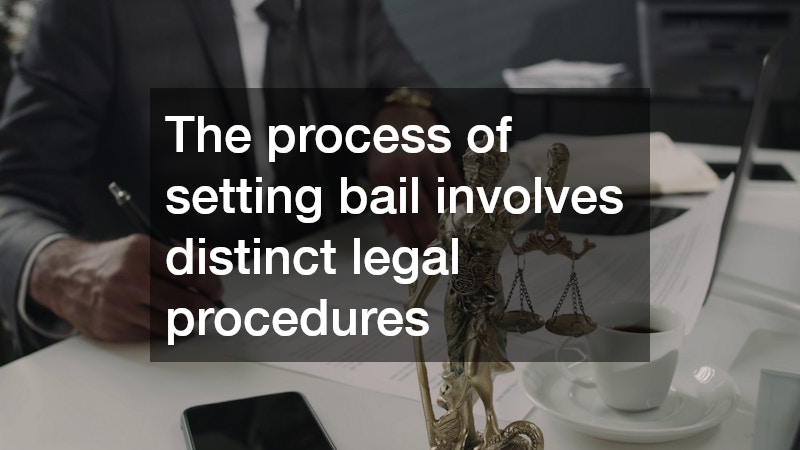
The process of setting bail involves distinct legal procedures conducted by the judicial system. After an arrest, the defendant is usually brought before a judge or magistrate to determine whether bail will be granted and under what conditions. Judicial discretion plays a significant role in this decision, considering several factors including the severity of the alleged crime, the defendant’s criminal history, and their ties to the community. In some jurisdictions, specific bail schedules dictate standard bail amounts for various offenses, adding a level of predictability. However, judges retain the authority to adjust terms based on individual case specifics.
In addition to judicial assessment, defendants can argue for a change in bail terms based on specific circumstances. Legal representation often plays a critical role in advocating for adjustments to bail, whether seeking lower amounts, altering conditions, or arguing for release on recognizance. Judges are often willing to consider arguments that demonstrate undue hardship posed by current bail conditions. This process ensures that bail terms remain fair, adherent to legal standards, and responsive to individual circumstances. When effectively navigated, the bail process represents a founding element of the equitable administration of justice.
The Future of Bail
The bail system remains an intrinsic part of the criminal justice framework, encapsulating complex debates and essential functions. The journey towards understanding and improving bail is marked by a continual balance of individual rights and societal interests. While significant strides have been made in making the system equitable, ongoing discussions and reforms are vital. The future of bail entails recognizing and addressing persistent challenges to create a more just legal landscape for all. As legal systems embrace change, it is crucial to uphold fairness, justice, and efficiency in pretrial practices.
Ultimately, the evolving landscape surrounding bail reflects broader societal shifts towards equity and justice. By prioritizing reforms that address systemic issues, the legal community can work towards a more balanced application of bail. Future changes should aim to uphold the foundational principles of the legal system, emphasizing fairness and equal treatment under the law. As legal reforms progress, it is crucial to evaluate their impacts and adapt strategies accordingly. The ongoing journey towards better bail practices holds promise for a more equitable future in criminal justice.